Journal
How I Protect My Brain From Exhaustion
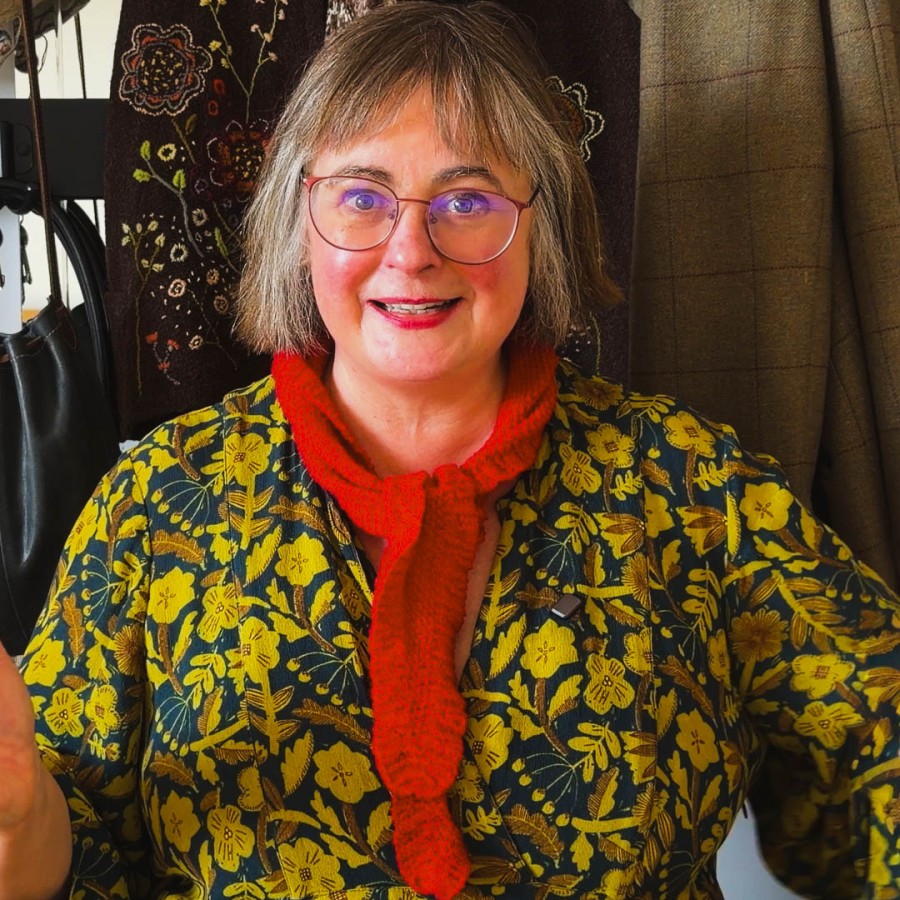
A few weeks ago I mentioned the term soft fascination in passing, and a lot of people got in touch to say they hadn’t heard it before. So this week’s film is about that: what it actually means, why it matters if you live with fatigue or brain fog, and how I use it deliberately rather than just hoping it happens.
The short version: there are two kinds of attention. Focused attention is tiring. It runs in small loops and requires constant effort to maintain. Soft fascination is the other kind: watching waves, leaves, someone kicking a ball in a piazza, where things move gently and your brain can recover without being switched off entirely.
I have Addison’s disease, and managing my energy means I’ve had to get quite deliberate about this. Left to my own devices I will work straight through until I can’t think, which is not a strategy. So I build the breaks in, roughly every two hours, and I know what works for me.
The thing I find genuinely interesting, and talk about in the film, is that plain handwork seems to do something similar from the inside. The kind of knitting or stitching you can do without watching. There’s something about it that smooths the exhaustion of concentrated attention. I don’t know whether there’s research on this specifically, but I’d be surprised if there isn’t.
You may also enjoy …
Alignment and making things easy
how to create aligned brand values for a small business
4 years ago
The Problem with “Play” in Creativity (And What It Actually Means)
When perfectionism stops you making, everyone says 'just play.' But what does that actually mean? A different take on creative play from The Studio community.
1 month ago
A walk by Loch Lomond
walking loch lomond national park, Scotland
7 years ago
You Are Creative (Even If You Think You Can’t Draw)
Why that voice saying "I'm not creative" might be wrong. Looking at how historical embroiderers actually worked—copying, tracing, making wonky versions.
2 months ago
 RSS
RSS