Journal
Marie Antoinette Style at the V&A: A Close Look at the Textiles
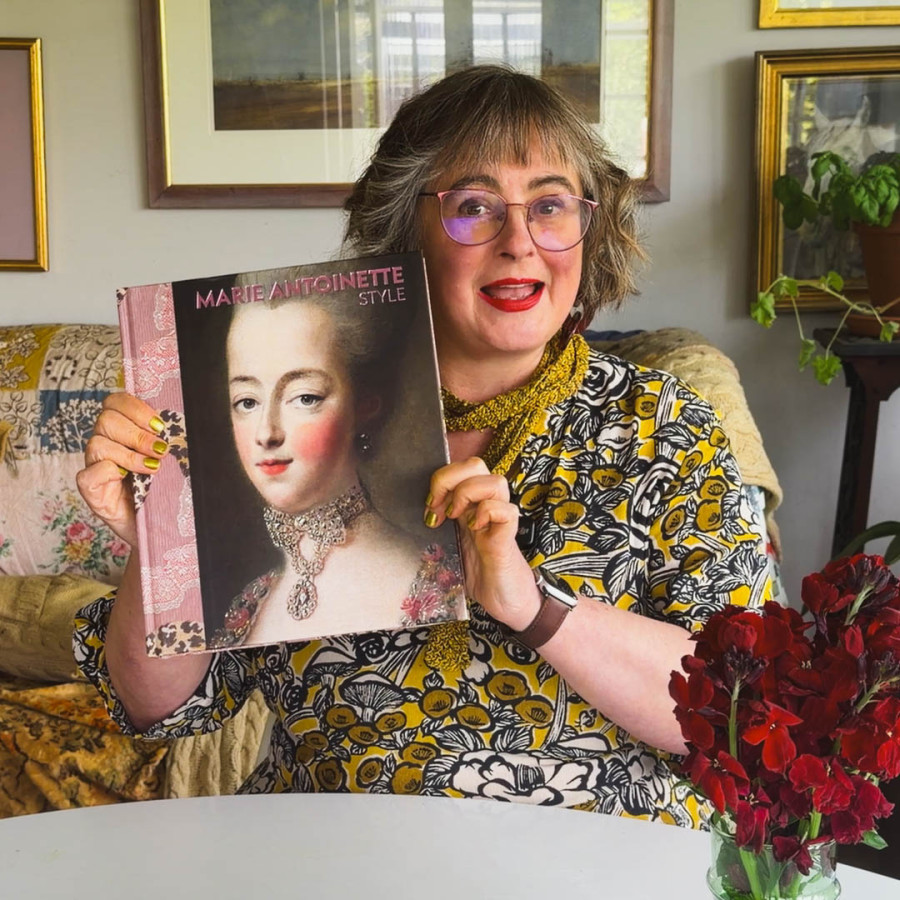
I went to this exhibition expecting to be mildly interested. Eighteenth-century French court life is not really my territory. Too gilded, too tragic, too far from the making practices I usually spend time with.
I came out genuinely fascinated.
Almost nothing in the exhibition is confirmed to have belonged to Marie Antoinette herself. What the V&A have done instead is gather textiles and dress from other collections that are close enough to what she would have worn, and the effect is remarkable. It stops being a relic show and becomes something full of life and extraordinary craft skill.
What I focused on
I decided to ignore shoes, fans, jewellery, and the execution galleries entirely, and spend my time with the fabrics and dress. There is a lot to look at: state dress with silver-wrapped embroidery so heavy it must have been nearly impossible to walk in; the painted warp silks she favoured for daily wear; a commission sample that makes you understand immediately why her annual dress budget topped the equivalent of £1,500,000
The film goes through the pieces in some detail.
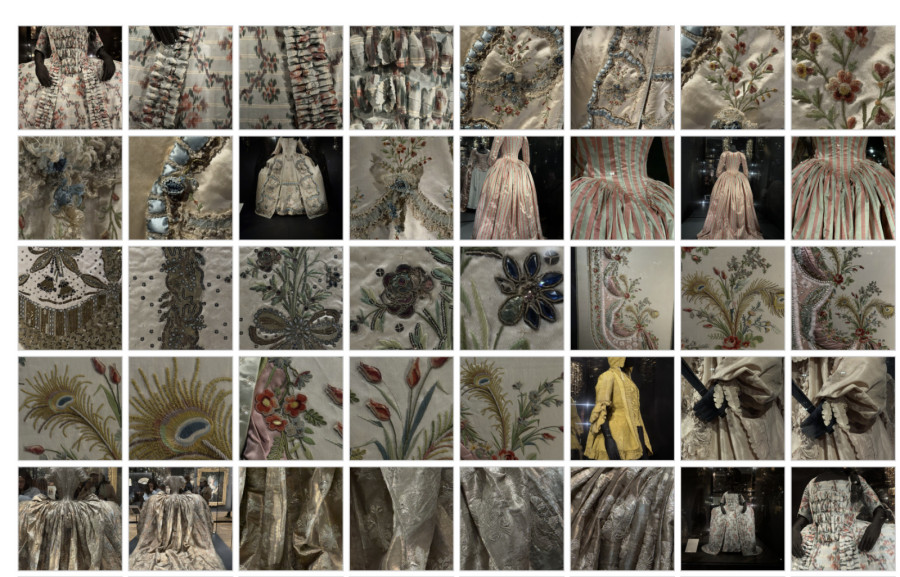
The Gallery of photographs
I took a lot of close-up detail shots while I was there. The embroidery and fabric construction really only make sense at that scale. You can click through and browse at your leisure.
You may also enjoy …
Red Lipstick Myths: What the History Actually Says
I went looking for the history of red lipstick and women's resistance. Most of the well-known stories don't hold up. But one, from Bergen-Belsen in 1945, does.
3 months ago
Botanical Dye Plants: Gorse
Explore the story of gorse — from a symbol of Scottish crofting to a vibrant natural dye. A personal reflection on heritage, migration, and the soft yellow hues of spring.
1 year ago
Vogue’s 20th Knitting Book, page by page
A wartime Vogue knitting book, dated to 1942, and the page where Vogue explains its own coupon economy to readers.
1 month ago
Crewel work fragment from Jacobean Bed hangings: What You Can Still See After 400 Years
Close look at a crewelwork bed curtain from 1610-1620: which colours survived 400 years, how designs were transferred, and why these mattered.
8 months ago
 RSS
RSS