Journal
Elsa Schiaparelli’s knitwear and the women who made it possible
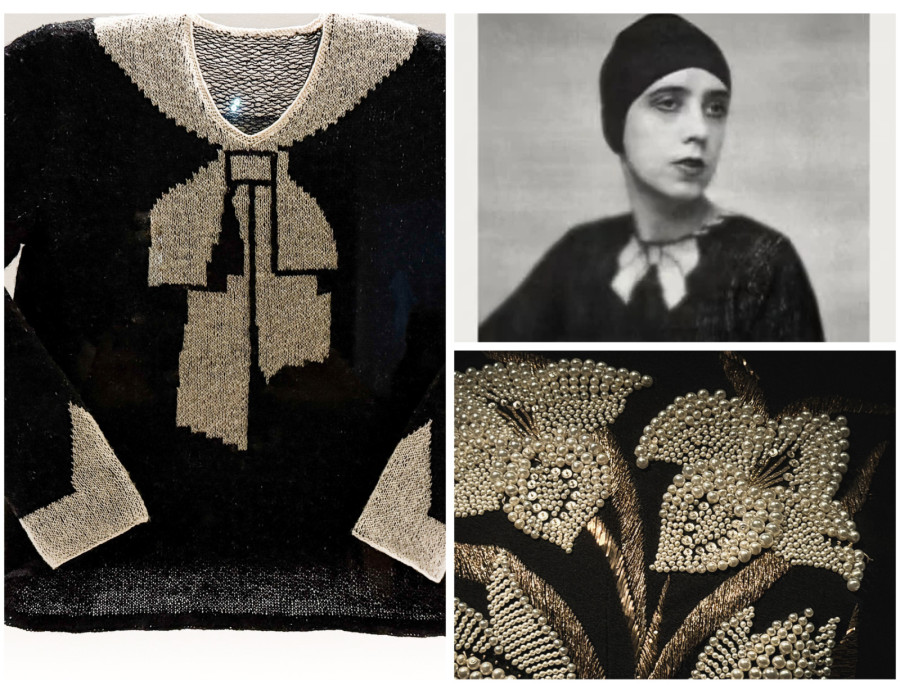
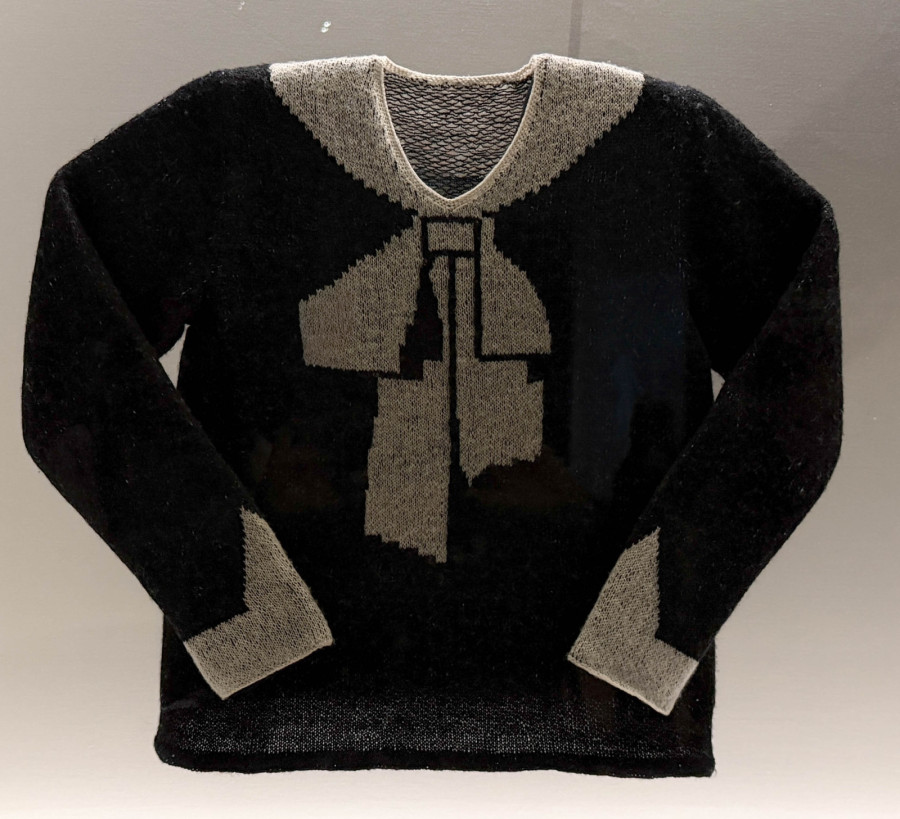
I went to the Schiaparelli retrospective at the V&A last weekend and came home thinking not about the couture, but about the 1920s knitwear at the beginning of the show, and about how businesses actually start.
The official origin story, as with most origin stories, turns out to be simpler than the truth. When I started following the trail of who was actually involved in getting Schiaparelli’s business off the ground, I kept finding women who’d been described in a single word. Socialite. Buyer. Friend. Women who, when you look properly, turn out to have been doing something quite specific and quite important.
The biographer Anna Funder writes that whenever she comes across someone described that flatly in a historical source, she follows it, because nine times out of ten it leads to a woman who made something happen but didn’t get the credit for it. That’s exactly what I found here.
In this film I look at the years 1920 to 1929, the knitwear that launched the business, the Armenian refugee whose technique made the bow jumper possible, and the women around Schiaparelli who provided money, contacts, shelter and opportunity at the moments when she needed them most.
You may also enjoy …
Dyeing cotton yarn with nettles
How to dye cotton yarn with nettles, natural dye
5 years ago
Vogue’s 20th Knitting Book, page by page
A wartime Vogue knitting book, dated to 1942, and the page where Vogue explains its own coupon economy to readers.
1 month ago
Making a dogwood wreath
making a heart wreath with dogwood prunings and dried flowers
6 years ago
Dyeing with Hopi sunflower seeds (Tceqa’ Qu’ Si)
dyeing with hopi sunflower seeds, natural dye
5 years ago
 RSS
RSS